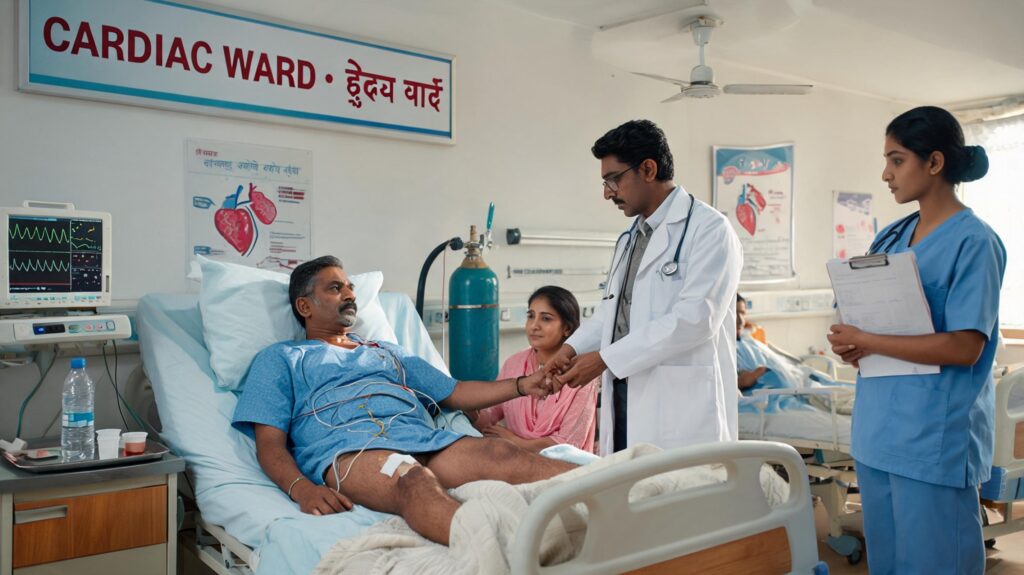
Heart disease remains one of the leading health concerns worldwide, and angioplasty is one of the most commonly performed cardiac procedures used to improve blood flow to the heart.
For many patients and families, the procedure itself can feel stressful. However, understanding the recovery process after angioplasty is equally important for long-term heart health and overall well-being.
Recovery after angioplasty often involves:
- Medication management
- Healthy lifestyle changes
- Gradual physical activity
- Follow-up care
- Emotional recovery support
In this guide, India Heart Guide explains what patients may expect after angioplasty, including recovery timeline, diet, exercise, medications, lifestyle changes, and important precautions.
In This Guide
- What Is Angioplasty?
- Why Recovery Is Important
- Recovery Timeline After Angioplasty
- Common Symptoms During Recovery
- Walking & Exercise After Angioplasty
- Best Diet After Angioplasty
- Medications & Follow-Up Care
- Emotional Recovery
- Lifestyle Changes for Better Heart Health
- When Should Patients Contact a Doctor?
- Frequently Asked Questions
- Final Thoughts
What Is Angioplasty?
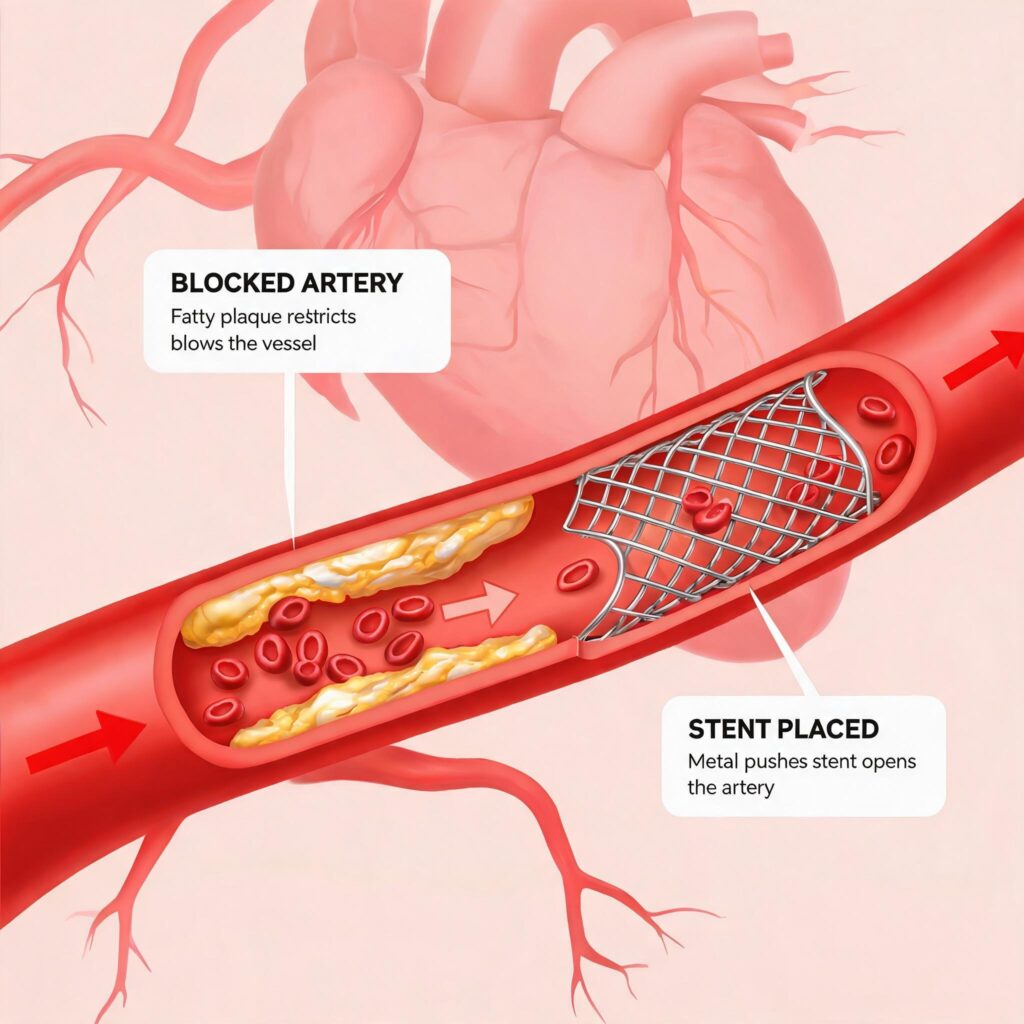
Angioplasty is a minimally invasive cardiac procedure used to open narrowed or blocked coronary arteries.
During the procedure:
- A thin tube called a catheter is inserted into a blood vessel
- A small balloon is used to widen the blocked artery
- In many cases, a stent is placed to help keep the artery open
Angioplasty may help improve blood circulation and reduce symptoms such as:
- Chest pain
- Shortness of breath
- Fatigue
- Discomfort during physical activity
Many patients undergoing angioplasty may also benefit from understanding long-term heart disease prevention and lifestyle management.
Patients may also read our educational guide about heart attack warning signs.
Why Recovery After Angioplasty Is Important
Although angioplasty can restore blood flow quickly, long-term heart health depends heavily on proper recovery and lifestyle improvement.
Recovery plays an important role in:
- Preventing future blockages
- Improving heart function
- Supporting long-term health
- Reducing complications
- Encouraging healthy lifestyle habits
Many patients focus only on the procedure itself, but long-term heart health depends heavily on recovery care and lifestyle management.
Recovery Timeline After Angioplasty
Recovery time varies depending on:
- Patient age
- Overall health condition
- Severity of blockage
- Presence of diabetes or hypertension
- Number of arteries treated
Most patients recover more quickly than patients undergoing open-heart surgery.
General Recovery Timeline
| Recovery Period | What Patients May Experience |
|---|---|
| First 24 Hours | Monitoring, rest, mild soreness |
| 2–7 Days | Gradual walking, reduced fatigue |
| 1–2 Weeks | Return to light daily activities |
| 3–6 Weeks | Improved energy and mobility |
| Long-Term | Lifestyle adjustments and follow-up care |
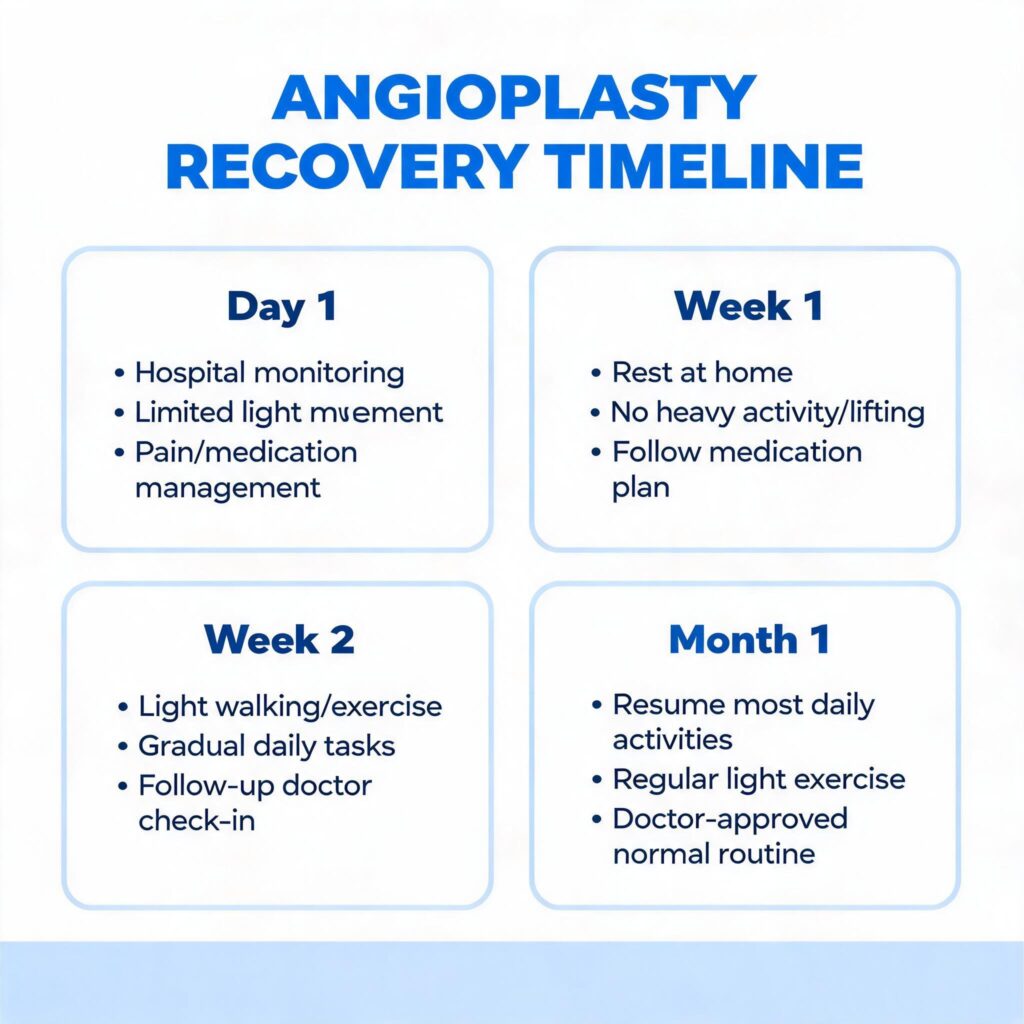
Recovery progress depends on the individual’s medical condition and the doctor’s recommendations.
Common Symptoms During Recovery
Some mild symptoms may occur during recovery and often improve gradually over time.
Patients may experience:
- Mild fatigue
- Bruising near the catheter insertion site
- Minor soreness
- Emotional stress or anxiety
- Temporary weakness
These symptoms often improve gradually.
However, severe or sudden symptoms should always be evaluated by a healthcare professional.
Walking & Exercise After Angioplasty

Walking is commonly encouraged after angioplasty because light physical activity may help:
- Improve circulation
- Support heart recovery
- Increase confidence
- Reduce stiffness
- Improve overall well-being
Many doctors recommend:
- Short walking sessions initially
- Gradual increase in activity
- Avoiding heavy lifting during early recovery
Cardiac rehabilitation programs may also support safer recovery through supervised exercise and education. Patients should always follow doctor-approved exercise recommendations.
Learn more about cardiac rehabilitation after heart procedures.
Best Diet After Angioplasty

Diet plays a major role in long-term heart health after angioplasty.
A heart-friendly diet may help:
- Manage cholesterol
- Improve blood pressure
- Support healthy arteries
- Reduce cardiovascular risk
Recommended Heart-Healthy Foods
Fruits and Vegetables
Rich in vitamins, fiber, and antioxidants.
Examples:
- Apples
- Oranges
- Spinach
- Broccoli
- Carrots
Whole Grains
May support better cholesterol control.
Examples:
- Oats
- Brown rice
- Whole wheat bread
Healthy Protein Sources
Lean proteins are often preferred.
Examples:
- Fish
- Skinless chicken
- Lentils
- Beans
Healthy Fats
Some fats may support heart health.
Examples:
- Olive oil
- Nuts
- Seeds
- Avocados
Patients recovering from angioplasty may also benefit from following a long-term heart-healthy diet plan that supports cardiovascular wellness and lifestyle improvement.
Read our complete guide about heart-healthy diet recommendations.
Foods Patients May Need To Limit
Doctors often recommend reducing:
- Fried foods
- Processed foods
- Excess salt
- Sugary beverages
- Smoking
- Excess alcohol
Healthy lifestyle adjustments may help lower future cardiovascular risk.
Medications After Angioplasty

Many patients require medications after angioplasty to support recovery and reduce future complications.
These medications may include:
- Blood thinners
- Cholesterol-lowering medications
- Blood pressure medications
- Diabetes management medications
Patients should:
- Take medicines exactly as prescribed
- Attend regular follow-up appointments
- Avoid stopping medications without medical advice
Medication adherence is extremely important after stent placement.
Emotional Recovery After Angioplasty

Recovery after angioplasty is not only physical.
Many patients experience:
- Anxiety
- Fear of future heart problems
- Emotional stress
- Reduced confidence
This is common after cardiac procedures.
- Family
- Doctors
- Rehabilitation programs
- Counseling
may help patients feel more comfortable during recovery.
A calm and positive recovery environment is often beneficial.
Lifestyle Changes for Better Heart Health
Long-term heart health usually requires lifestyle improvement.
Important habits may include:
- Regular walking
- Healthy eating
- Weight management
- Blood pressure control
- Diabetes management
- Stress reduction
- Smoking cessation
These lifestyle changes may support long-term cardiovascular wellness and recovery.
When Should Patients Contact a Doctor?
Patients should seek medical attention if they experience:
- Severe chest pain
- Sudden shortness of breath
- Heavy bleeding from the catheter site
- High fever
- Fainting
- Sudden swelling
- Irregular heartbeat
Early medical evaluation is important if symptoms become severe or unusual during recovery.
Frequently Asked Questions
Is angioplasty painful?
Most patients do not feel major pain during the procedure because local anesthesia is commonly used. Some mild discomfort may occur.
How soon can patients walk after angioplasty?
Many patients begin light walking within a day, depending on medical advice and recovery condition.
Can arteries become blocked again after angioplasty?
Yes, future blockage is still possible, which is why lifestyle changes and medication are important.
How long do heart stents last?
Stents are designed to remain inside the artery permanently, although long-term heart care remains important.
How long does recovery after angioplasty take?
Many patients recover within several days to a few weeks, depending on their health condition and recovery progress.
Final Thoughts
Recovery after angioplasty is a gradual journey that involves medical care, healthy lifestyle changes, emotional support, and long-term heart health awareness.
With balanced nutrition, regular follow-up care, physical activity, and doctor-guided recovery planning, many patients can return to daily life and improve their quality of life over time.
Educational awareness helps patients and families feel more informed and confident throughout the recovery process.
Related Heart Health Guides
- What Is Angioplasty?
- CABG Surgery Recovery Guide
- Heart Healthy Diet Tips
- Heart Attack Warning Signs
- Medical Visa for India
About India Heart Guide
India Heart Guide shares educational information related to:
- Cardiac treatment awareness
- Heart surgery recovery
- International patient guidance
- Medical travel information
- Heart health education in India
The platform focuses on helping international patients better understand cardiac procedures, recovery expectations, and heart health awareness through professional educational content.
🌐 India Heart Guide
📱 WhatsApp: +919304265628
Disclaimer:
This content is for educational and informational purposes only and should not replace professional medical advice, diagnosis, or treatment. Patients should consult qualified healthcare professionals regarding their individual medical conditions.